
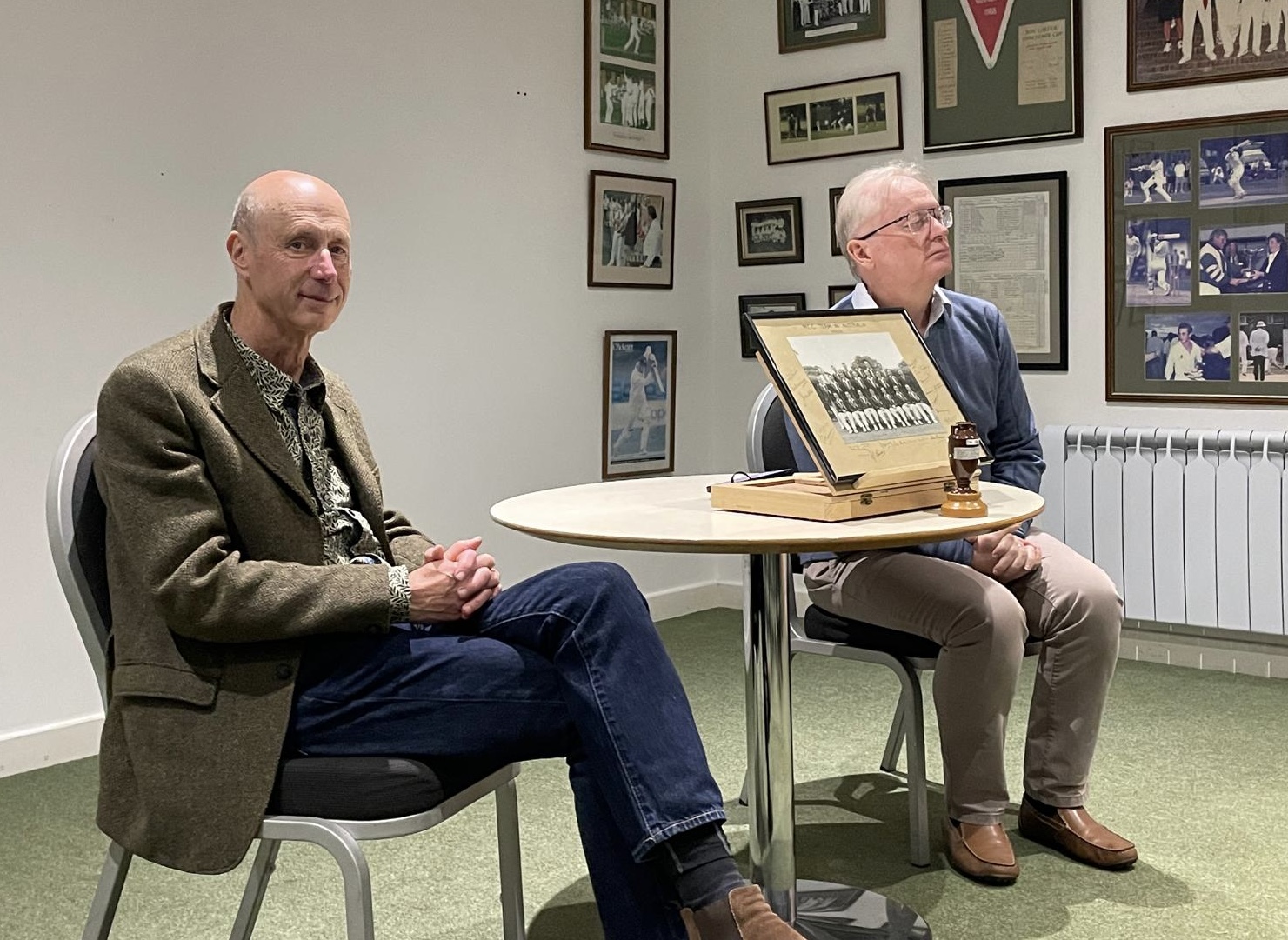
A veritable man for all seasons kept an appreciative audience royally entertained as Norfolk Cricket Society’s first guest speaker of 2026 on Thursday 26 February.
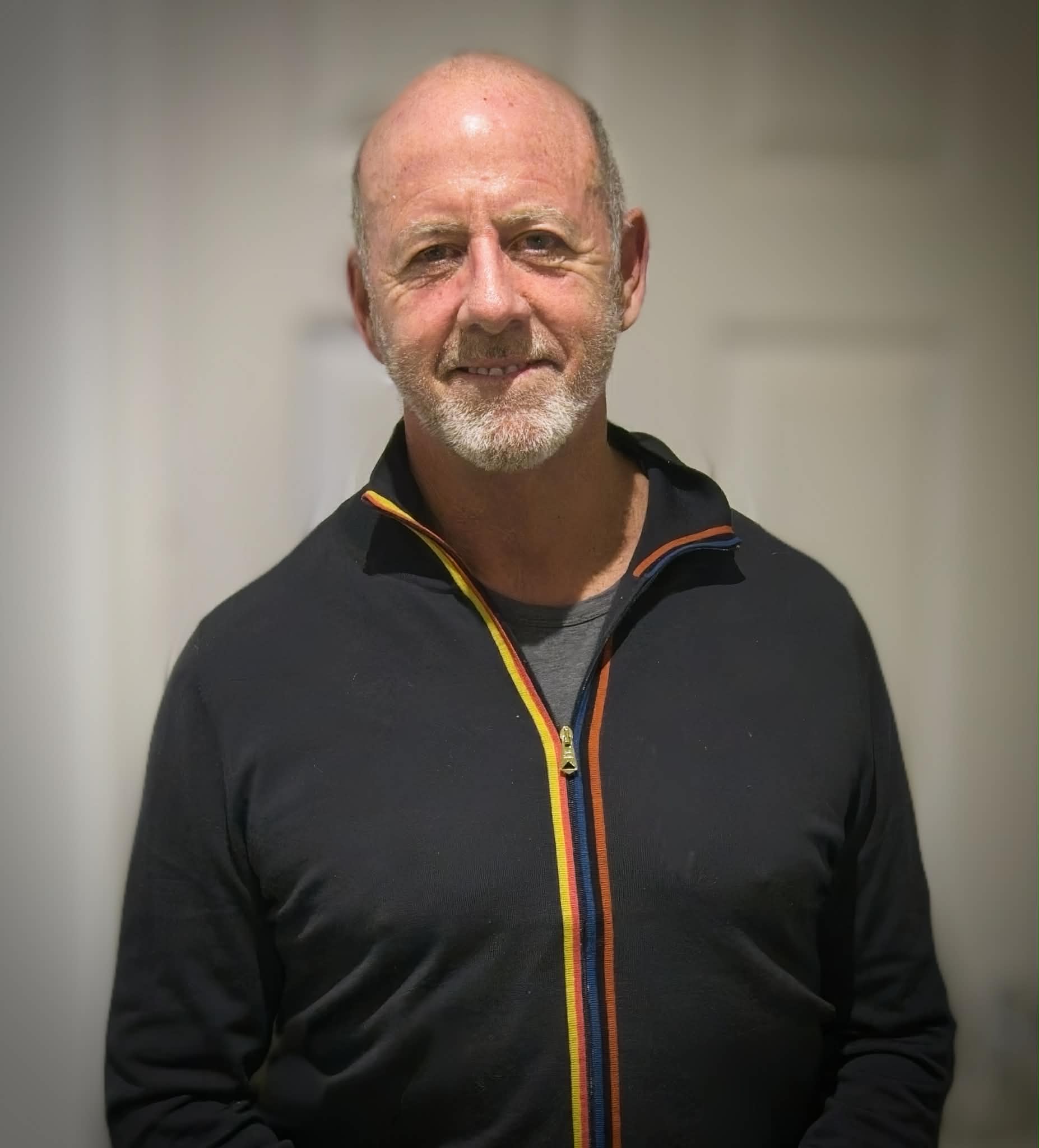
Since making his first-class debut in 1980, Simon Hughes has been a hardy perennial of the cricketing world at home and abroad, collecting multiple honours on and off the field as a fast-medium bowler for Middlesex and Durham, as an award-winning author and journalist, and as “The Analyst” on Channel 4’s innovative Test match coverage, before reprising the role on his Inside Cricket podcast with Simon Mann.
He told a packed room at Manor Park about blissful summers spent at Canterbury in the 1970s, watching the all-conquering Kent side, full of top internationals, before embarking on his own professional career at Lord’s.
Hughes entered a Middlesex dressing room full of star names and diverse characters, including captain Mike Brearley, Mike Gatting, Roland Butcher, Philippe Edmonds and Wayne Daniel, and in later years Phil Tufnell and Angus Fraser.
He described his first experience of bowling to Geoffrey Boycott, dismissing him only to hear the call of “no-ball”, and the ordeal of facing the blistering pace of West Indians such as Malcolm Marshall and Sylvester Clarke as a quaking tail-end batsman.
Hughes won a string of trophies in 12 seasons with Middlesex under Brearley and Gatting, including four County Championship titles, and enjoyed a benefit year in 1991 before spending his final two seasons on the county circuit with Durham on their entry into first-class cricket.
This involved playing, as well as drinking and dining with the one and only Ian Botham, an exhilarating, exhausting and expensive business.
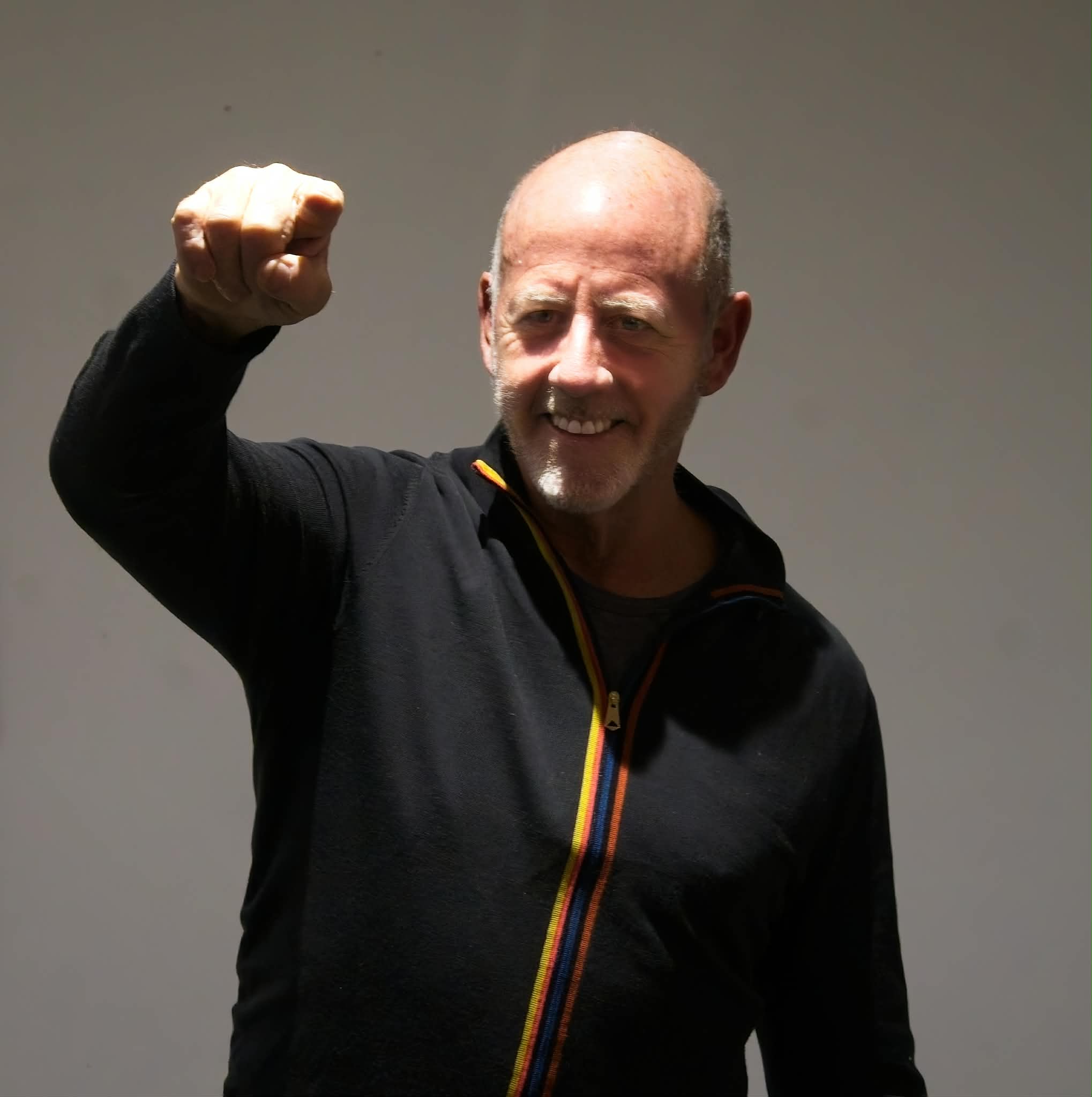
Hughes rated Boycott, Botham and Shane Warne as three prime examples of the unshakeable self-belief needed to succeed in cricket at the highest level. Hughes and Warne never faced each other on the field, but the great leg-spinner often discussed his game with The Analyst during his broadcasting days, notably in the unforgettable 2005 Ashes series.
The disappearance of live Test cricket from terrestrial TV after the 2005 Ashes was a cause of deep regret for Hughes, who regarded it as a lost opportunity to build on the fresh public interest generated by the series and promote the game, with only a third of the population able to access today’s satellite coverage.
He believes the current standard of TV cricket commentary is the worst for years with notable exceptions such as Michael Atherton, Nasser Hussain and the man he regards as the best of the broadcasters, New Zealander Ian Smith.
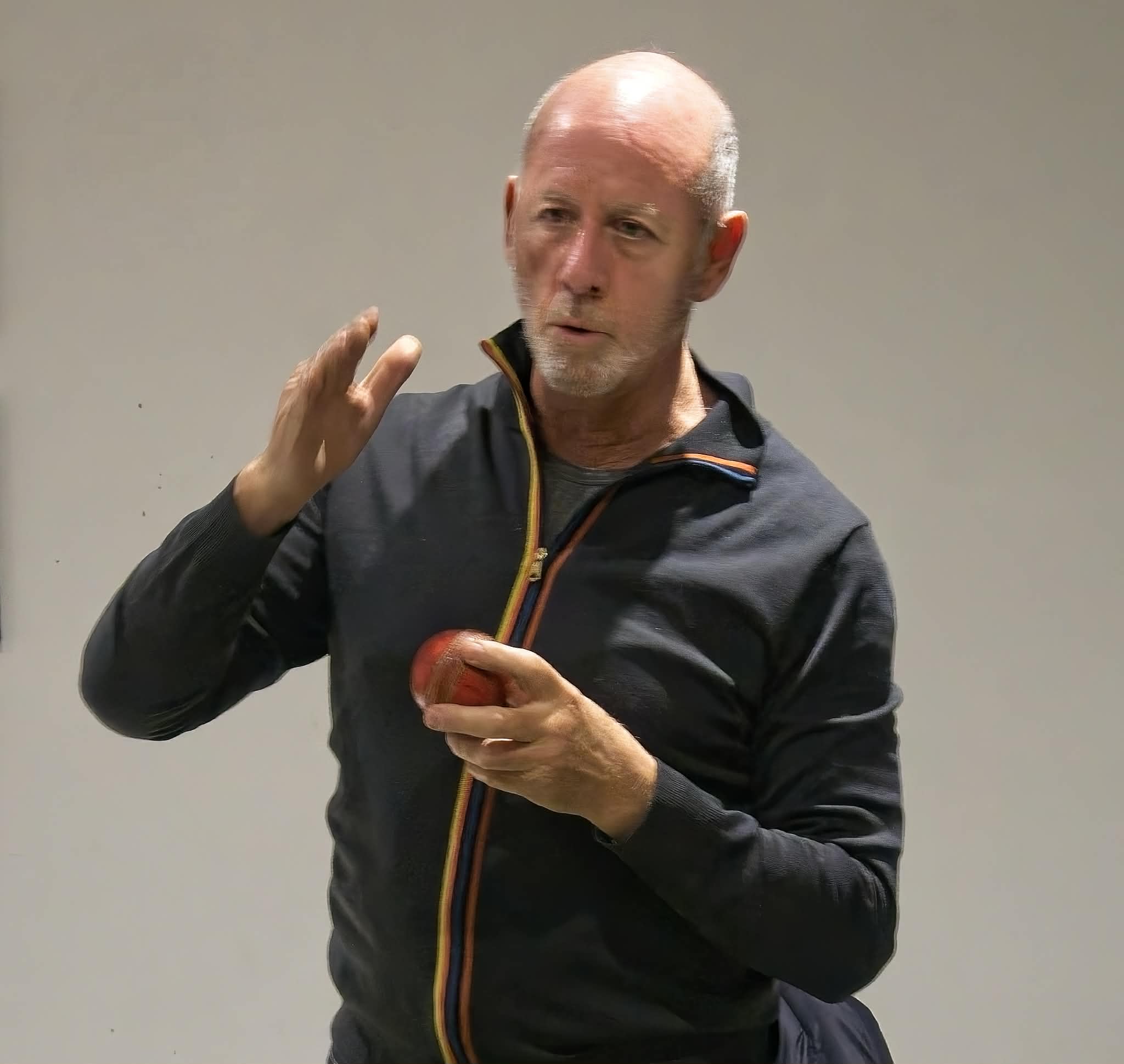
Hughes responded to an audience question about reverse swing bowling with a scientific explanation of the art, which he said had been around long before Waqar Younis and Wasim Akram perfected it in the early 1990s, but was not known by the name. He once spent a day investigating the phenomenon of swing bowling in a wind tunnel at Bath University’s aerodynamics department and produced a detailed report of his findings.
It was an evening that went with a swing in every sense.
Words by David Cuffley
Photos by Adam Pryke
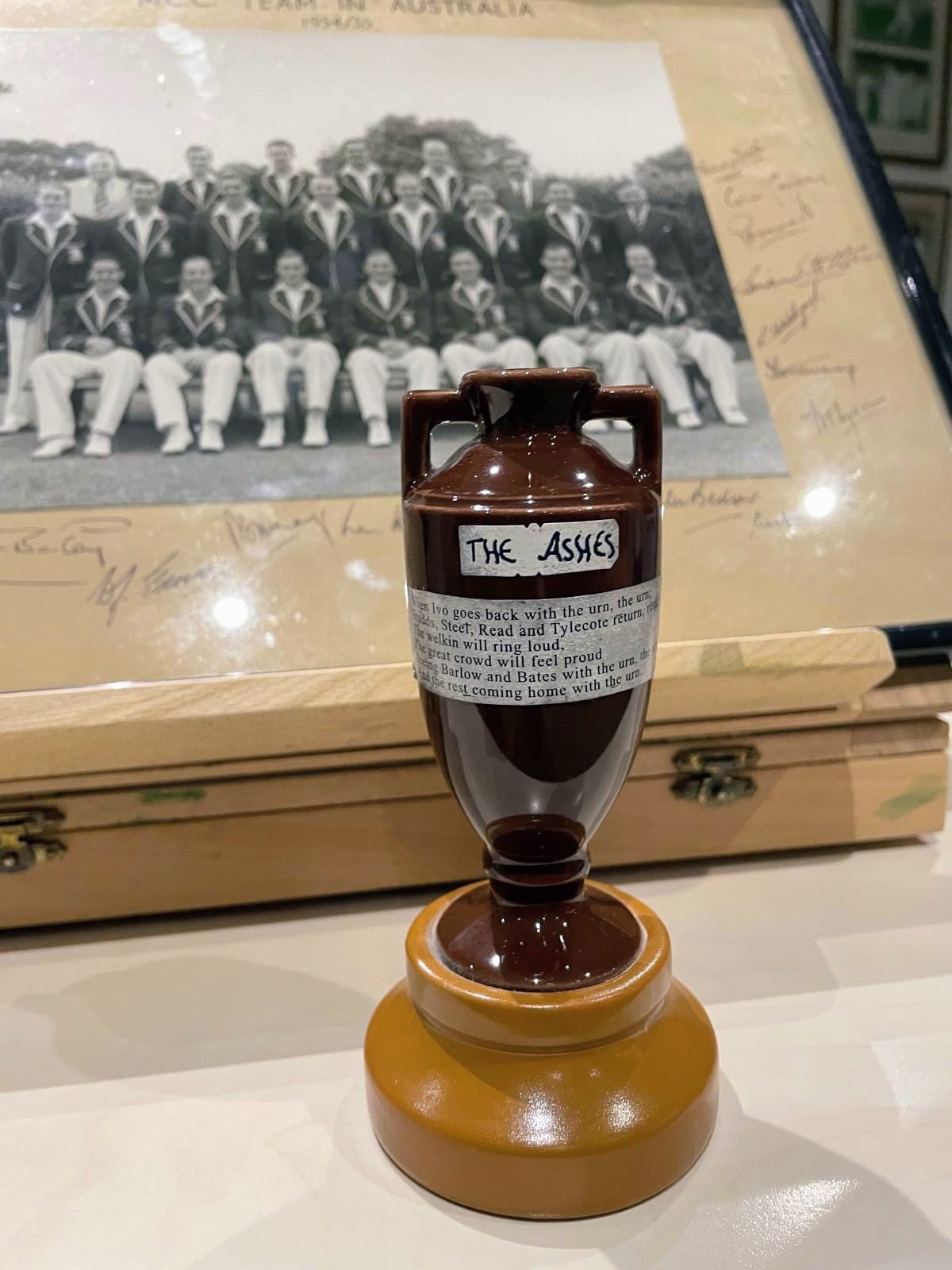
 Norfolk Cricket Society