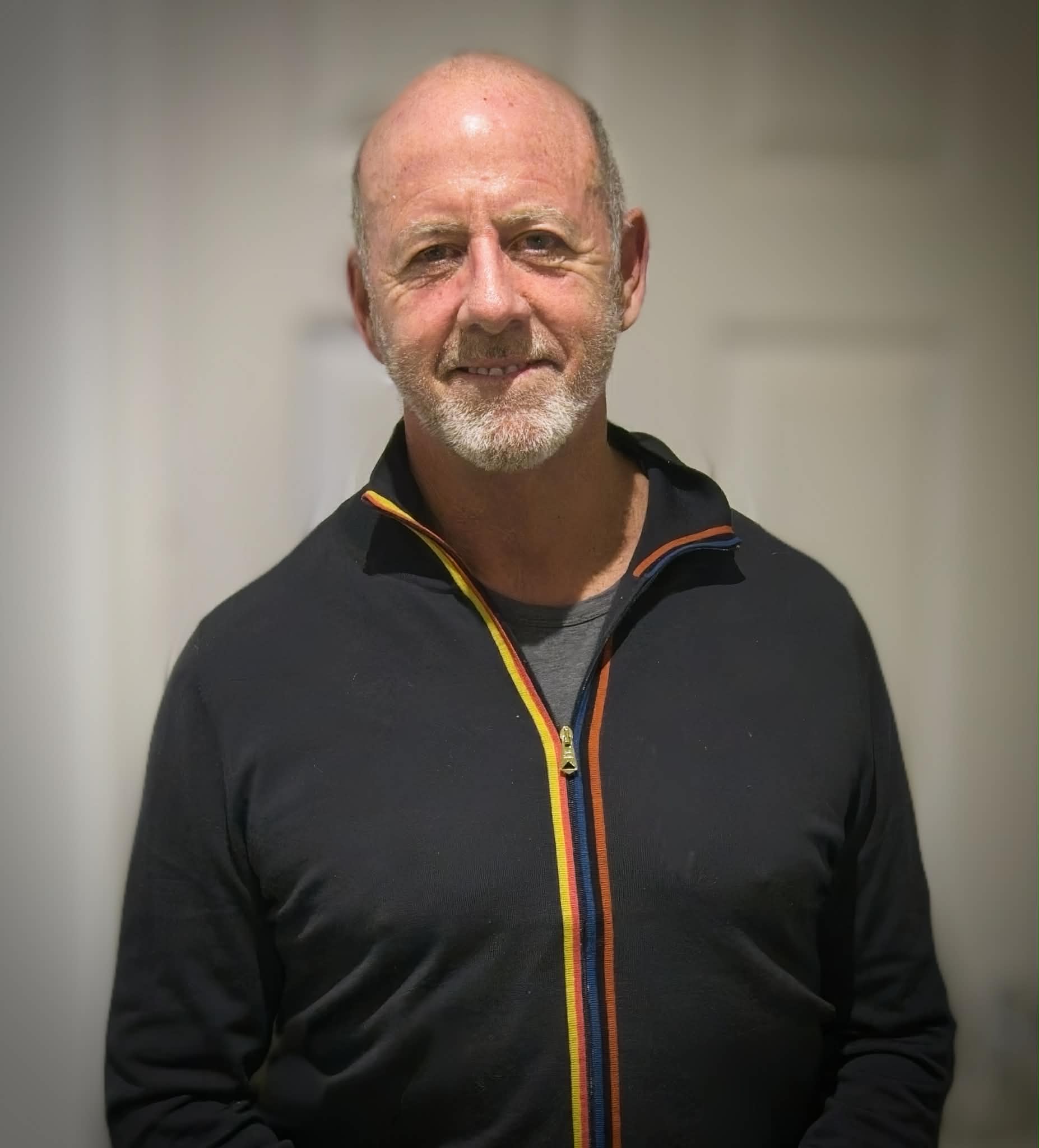
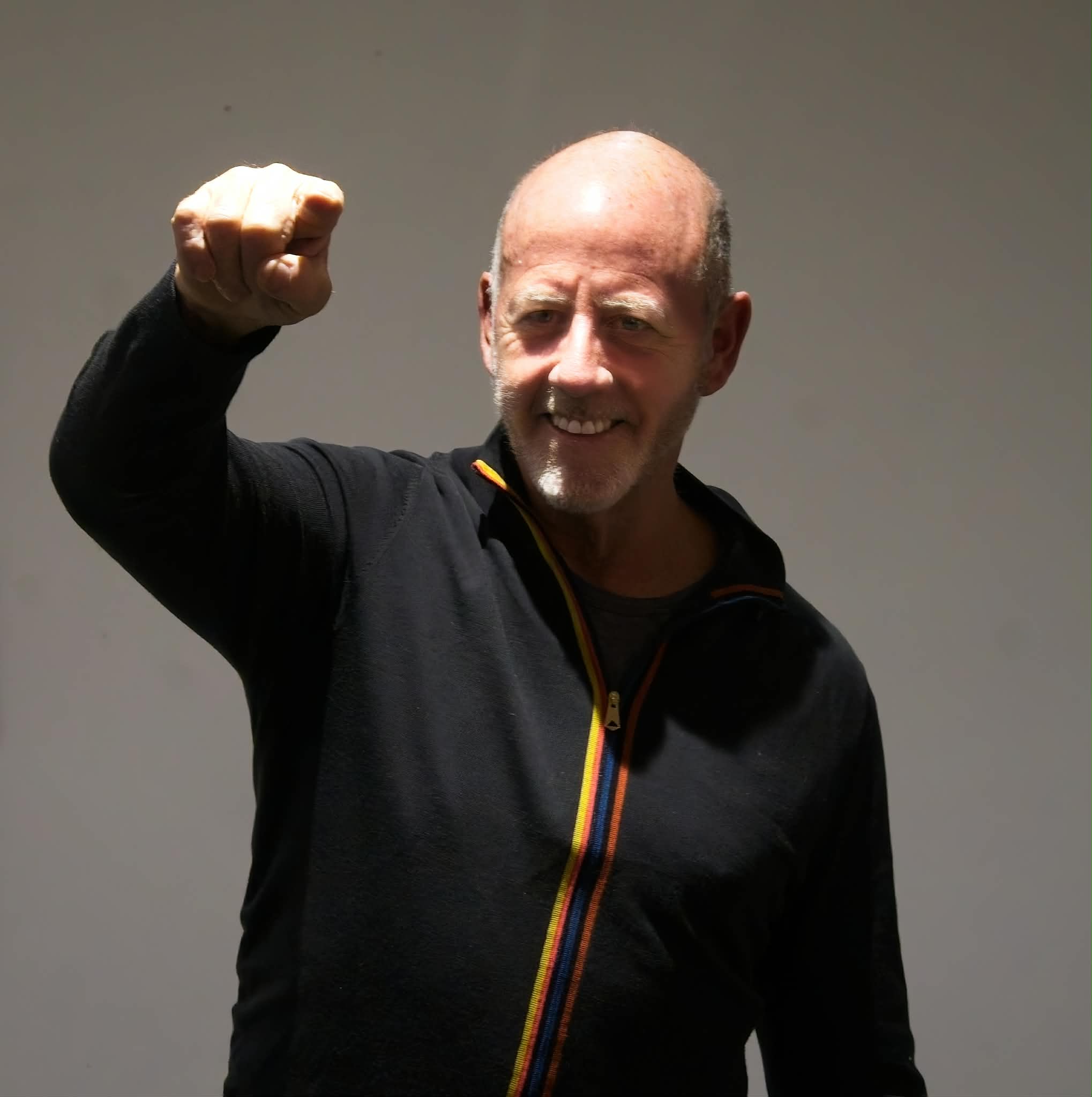
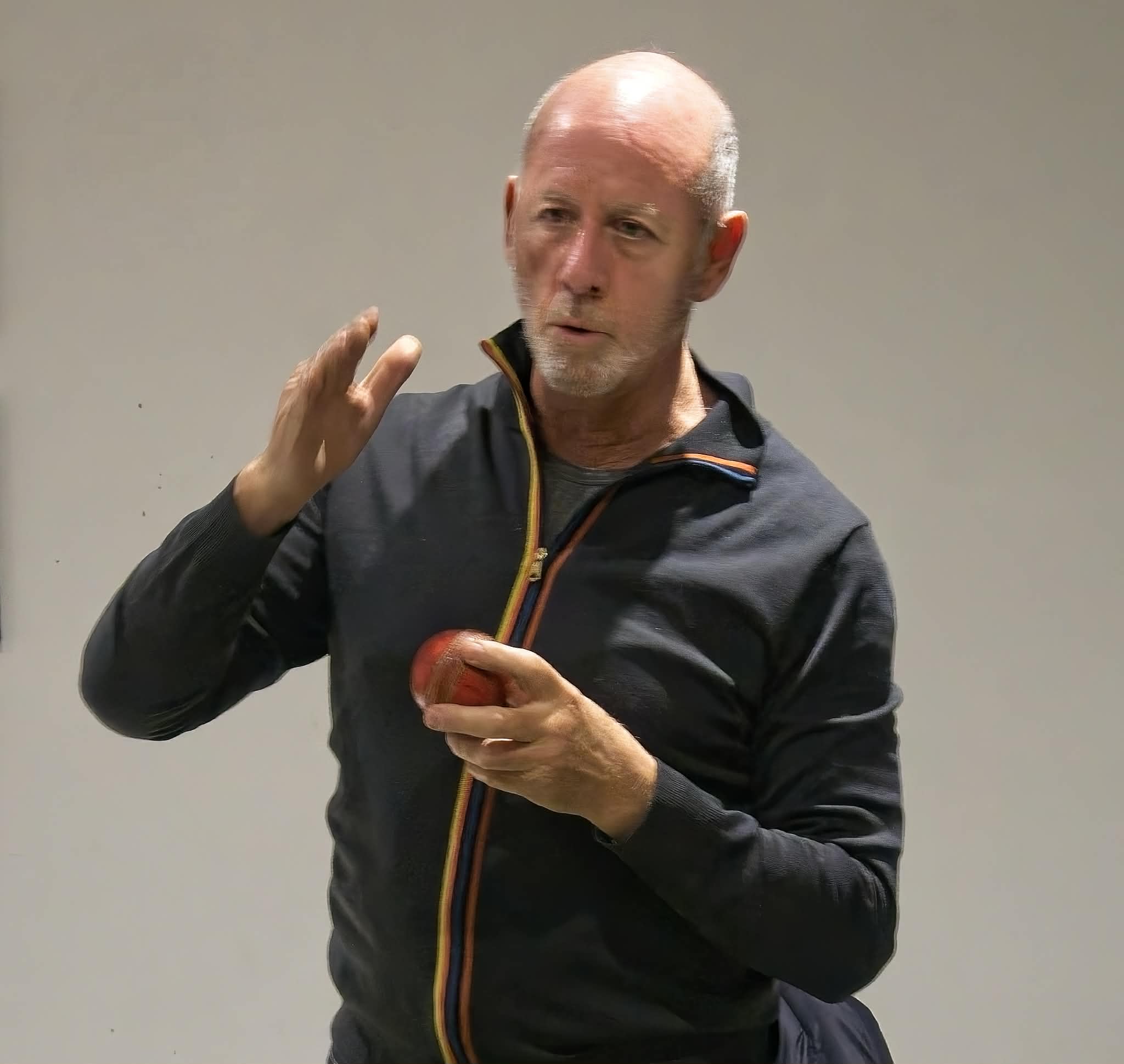
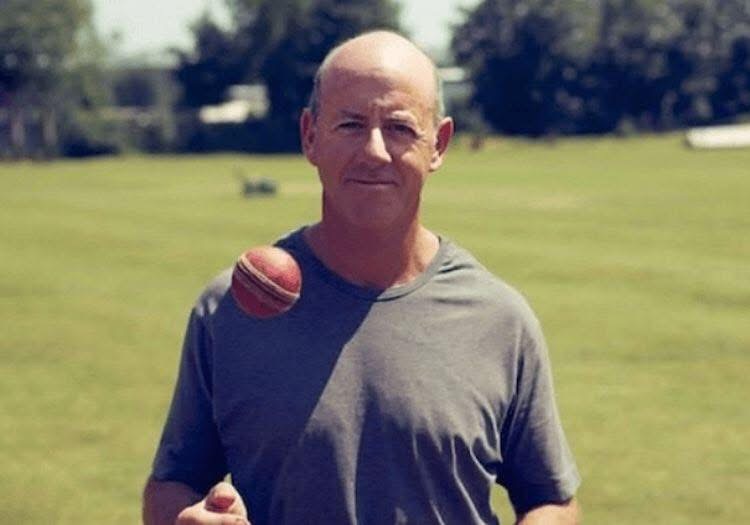
Norfolk Cricket Society is delighted to welcome one of English cricket’s most engaging characters, Geoff Miller OBE, as our special guest speaker on Thursday 29 October, 7.30pm at Horsford Cricket Club, Norwich.

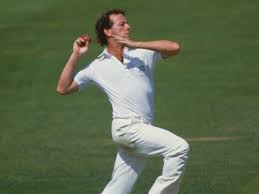
A former England, Derbyshire and Essex cricketer, and National Selector, Geoff Miller has enjoyed a remarkable career spanning more than four decades at the heart of the English game. And, as anyone who has heard him speak will know, his story is delivered with plenty of humour, warmth and a wonderfully infectious enthusiasm for cricket.
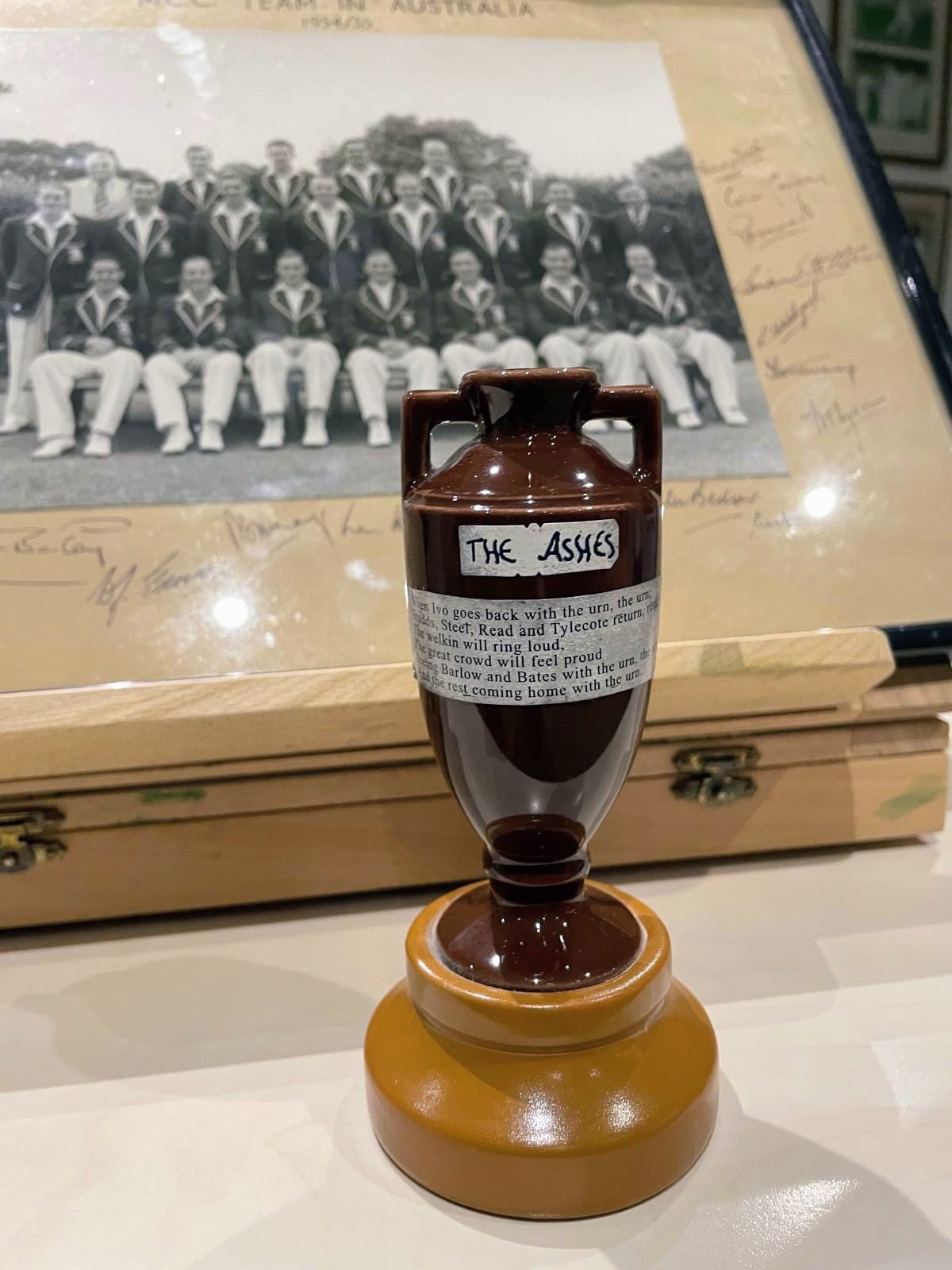
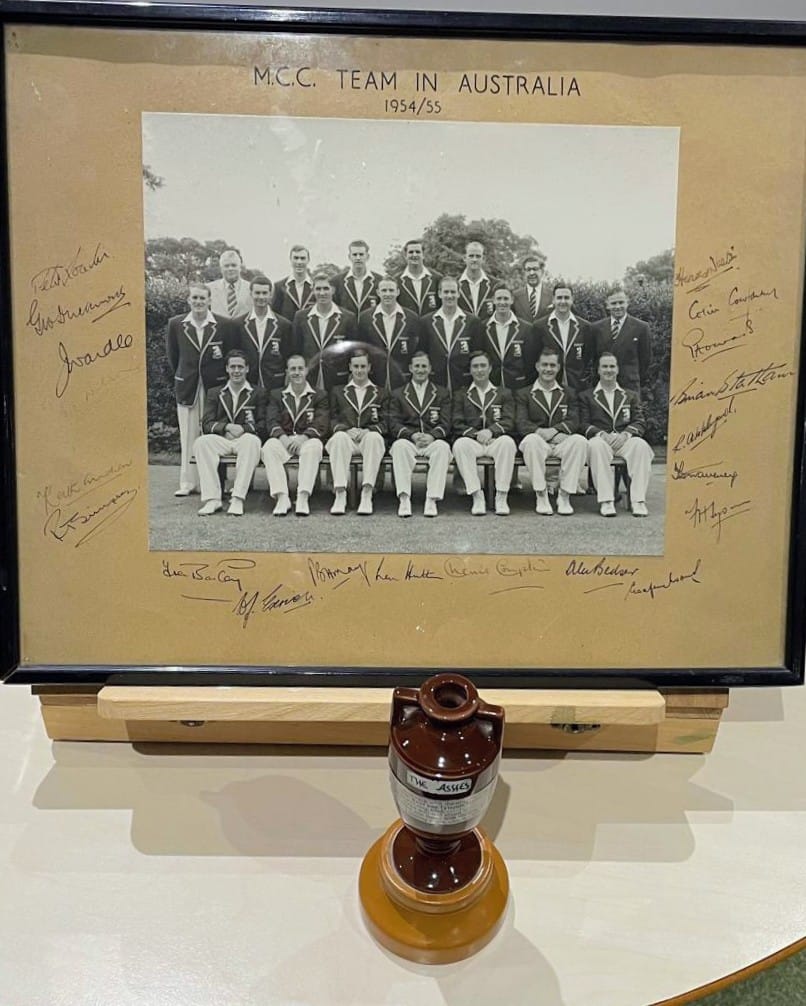
Miller made his England Test debut in 1976 against the formidable West Indies and went on to win 34 Test caps and 25 ODI caps, scoring more than 1,200 Test runs and taking 60 Test wickets with his dependable off-spin. His international career included some memorable Ashes encounters, including a five-wicket haul in England’s famous victory over Australia in Sydney in 1979 and a dramatic catch during the thrilling three-run win in Melbourne in 1982.
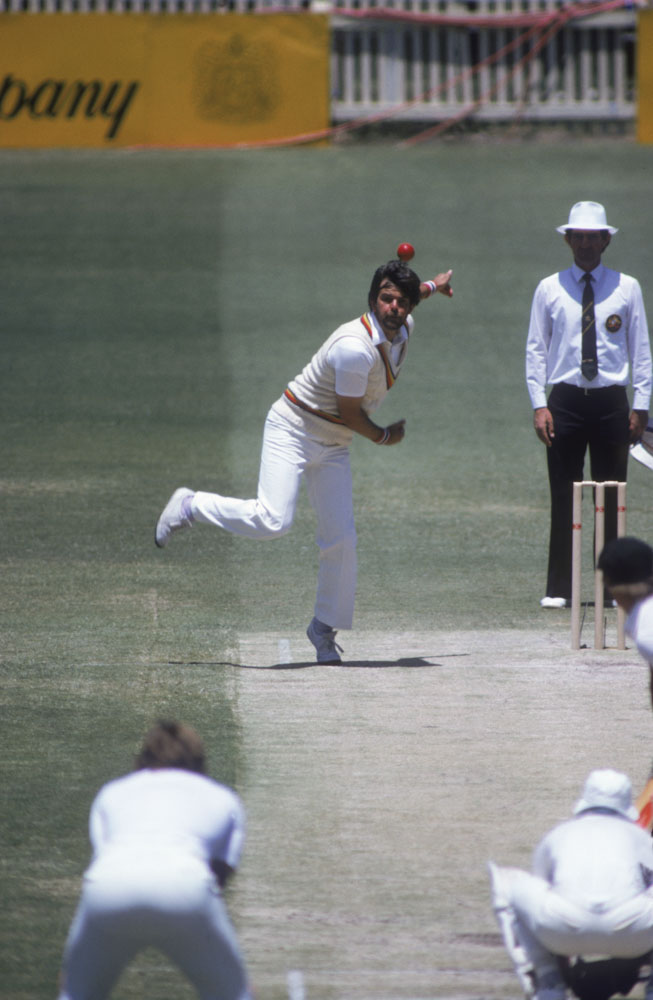
At county level, Geoff was a hugely respected all-rounder and captain. He led Derbyshire to the 1981 NatWest Trophy, their first major trophy for 45 years, before subsequently enjoying success with Essex. Along the way he shared dressing rooms with some of the great names of the era and experienced the full spectrum of professional cricket.
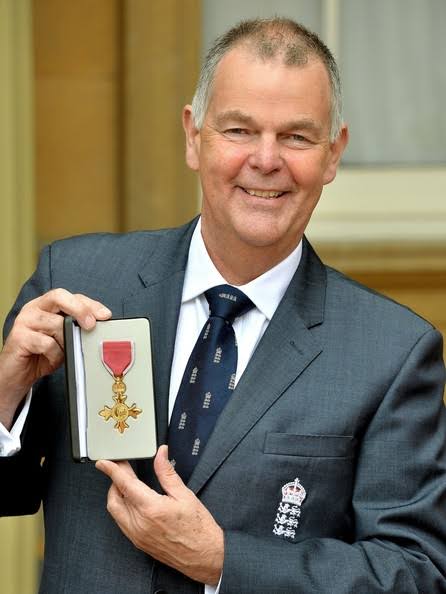
His playing career was followed by an equally fascinating second act. Geoff became an England selector in 2000 and, in 2008, was appointed the ECB’s first National Selector. During his tenure England won three successive Ashes series and reached the No.1 position in the Test rankings. He was therefore not only involved in watching England’s best players from close quarters, but also in making some of the most important decisions in English cricket.
So what can you expect from the evening?
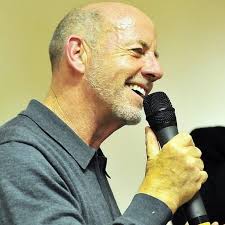
Stories! Expect entertaining tales from England dressing rooms and Ashes tours, fascinating insights into the personalities behind the players, memories of county cricket, and an insider’s perspective on the pressures of international selection. There will undoubtedly be plenty of laughs too – Geoff is renowned for his ability to tell a good cricket story.
Whether you remember watching him play, followed England during his years as a selector, or simply love hearing the stories behind the scorecards, this promises to be a fascinating, entertaining and memorable evening of cricket conversation.
Join Norfolk Cricket Society on Thursday 29 October for an evening with Geoff Miller – a chance to hear the stories, experiences and opinions of a man who has been at the very heart of English cricket.
An autographed cricket bat will be auctioned on the night to raise funds for the prostate cancer charity which Geoff supports.
Admission is £10 for non-Norfolk Cricket Society members and pre-booking is required, please contact norfolkcricketsociety@gmail.com to book your place.