Picture of England: review of an evening with photographer Gareth Copley-Jones

If a picture paints a thousand words, then Gareth Copley-Jones has produced a truly epic story of the England cricket team over the past two decades.

His newly-released magnum opus is “A Picture of England: Twenty Years Photographing the England Cricket Team Home and Away” (Pitch Publishing).

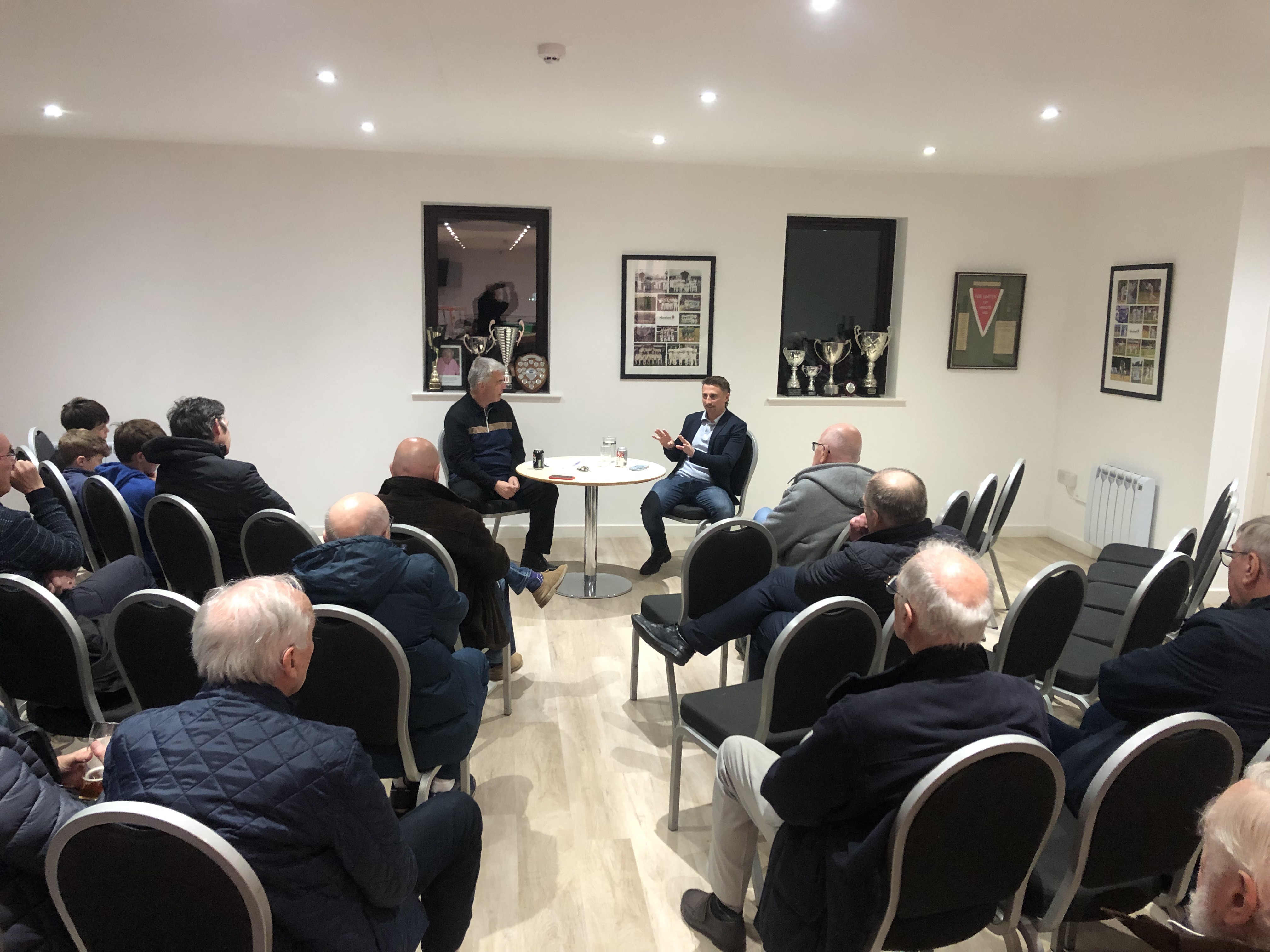
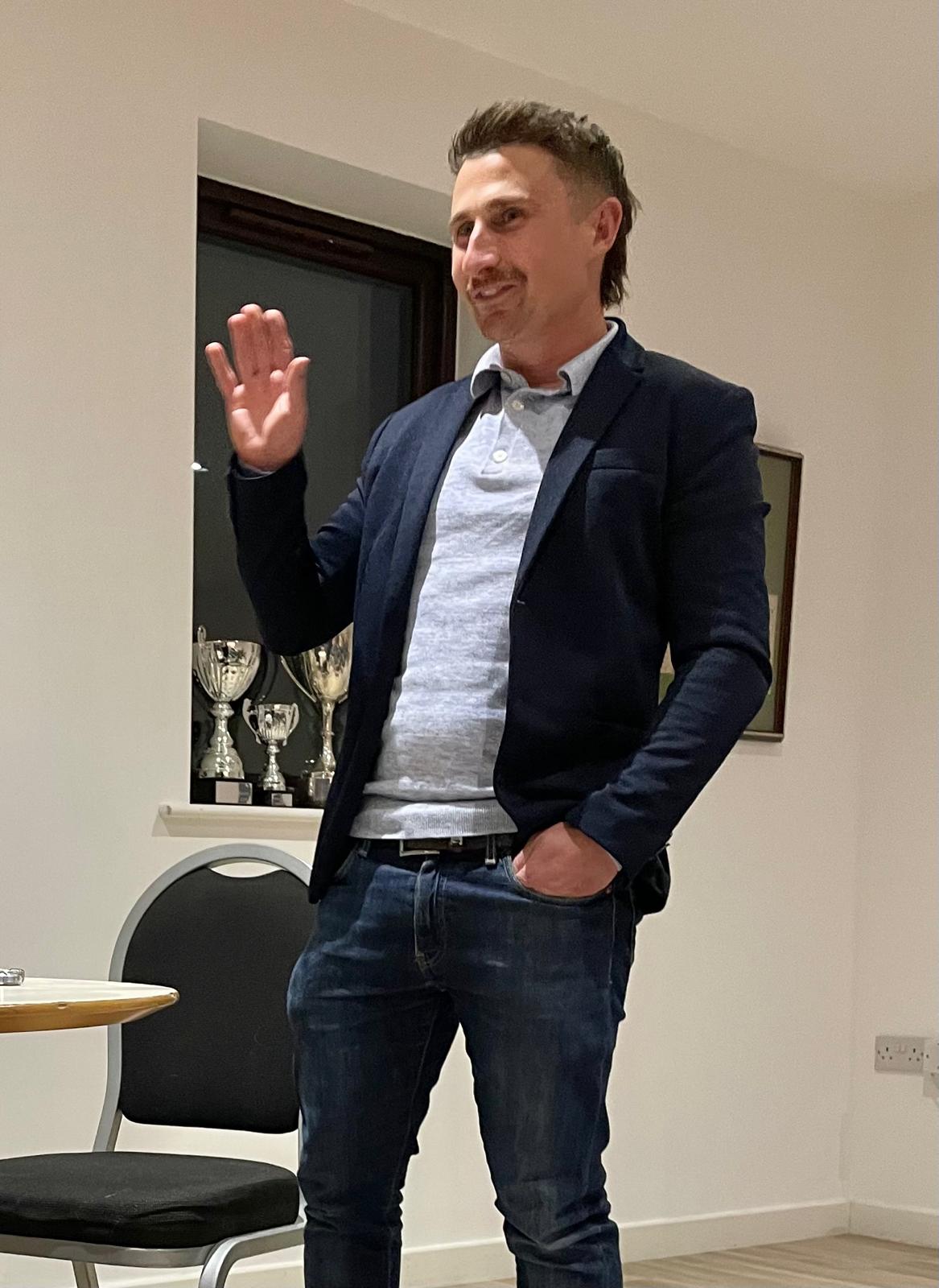
A sports photographer for 30 years, working for Press Association and now Getty Images, Gareth brought the Norfolk Cricket Society 2025-26 programme to a close as guest speaker at Manor Park on Thursday, April 23.
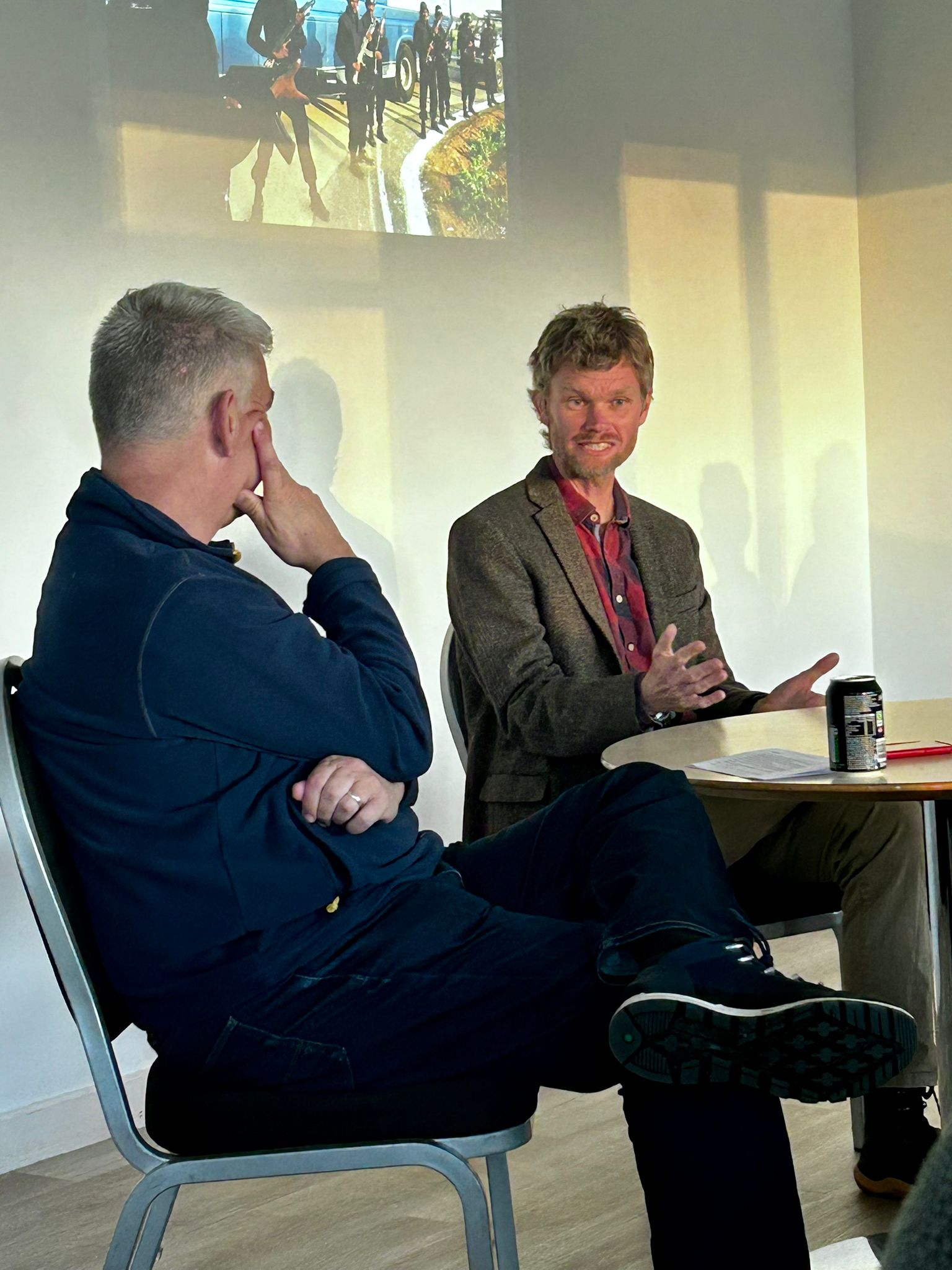
As official England men’s team photographer, his role has given him privileged and unrivalled access to the national team, the players and personalities involved in a period of dramatic highs and lows, covering more than 180 Test matches and 38 overseas tours, most memorably the 2010-11 Ashes series in Australia, plus limited overs tournaments and series, including the 2019 World Cup triumph.

He is one of a very select group to have won both the Sports Journalists’ Association Photographer of the Year and first prize in the World Press Awards.

Gareth started work in the age of film cameras, mostly at football and rugby grounds, where one of his jobs was to develop film on the spot.

He told an appreciative audience he had not been a cricket fan, partly because he feared the red ball as a youngster. But he covered his first Test match at Old Trafford in 2001, and he fell in love with the game after agreeing to cover England’s tour of Pakistan at the end of 2005, on condition he would also be assigned to the 2006-07 Ashes series in Australia.

He had a baptism of fire in Pakistan when the team were greeted by armed security in Karachi on their arrival, providing one of the first images in the book.

Among his outstanding work featured are an award-winning shot of Jonathan Trott being run out on his Test debut at The Oval in 2009, a favourite photo of Mark Wood and Ben Stokes in the dressing room after England’s 2015 Ashes triumph – their last series win over Australia – and his famous picture of Stokes celebrating his winning boundary at Headingley in 2019. The main cover picture shows James Anderson and eight teammates celebrating the match-winning dismissal of Brad Haddin at Trent Bridge in 2013.
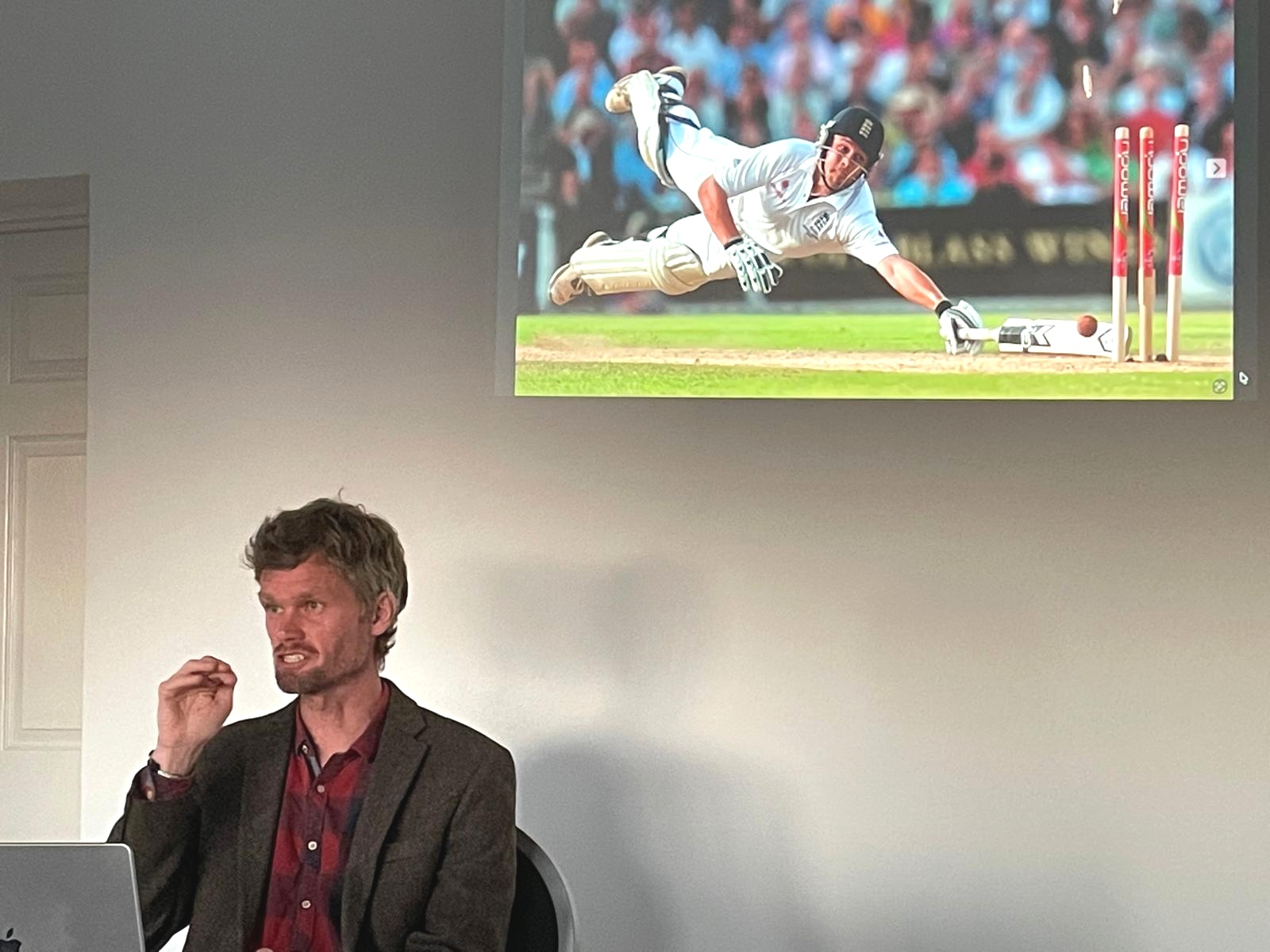
The foreword for the book is provided by Joe Root, Gareth’s favourite player. He described Root as totally unchanged by the fame and success he has enjoyed since his Test debut in 2012, but he generally finds bowlers better company than batsmen, whose moods are affected by their form. Gareth rates Chris Woakes, pictured walking out to bat with his arm in a sling against India at The Oval last year, as the most genuine person in the game.

Gareth discussed topics including the importance of watching every single ball, the instant transmission of pictures to media outlets, the difficulties of covering cricket during the Covid restrictions and the infamous Stanford Super Series in the West Indies in 2008.
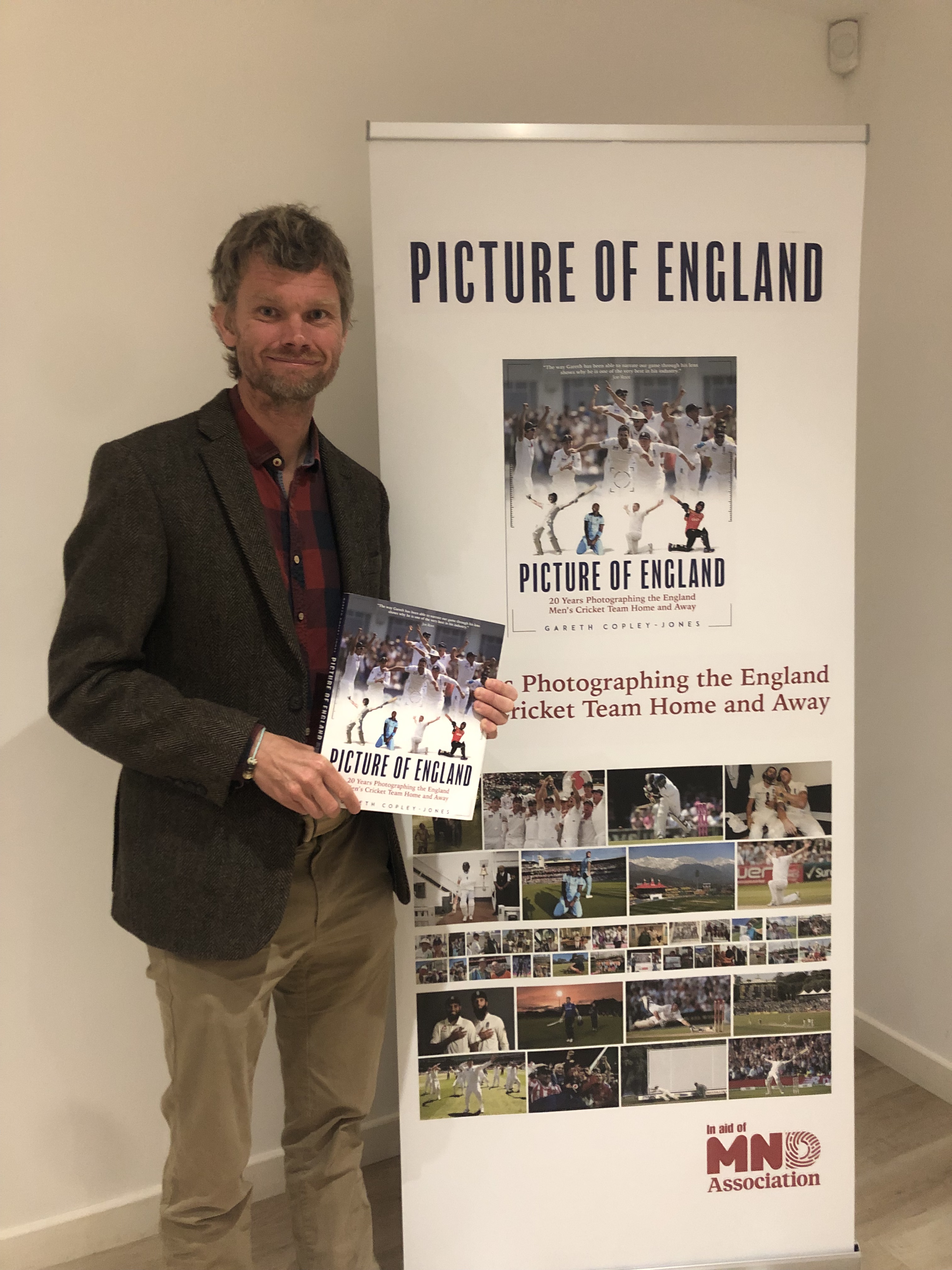
Rory Dollard, cricket correspondent at PA Media, wrote the supporting text for the book, interviewing England players about the images in which they feature. Gareth and Rory’s royalties from the sale of the book are being donated to the MND Association to support research into a cure and to improve access to care for those affected by Motor Neurone Disease.

Words by David Cuffley

Photos by Nick Morton, Pete Golland & Rob Kelly
Taylor-made evening – the perfect fit!

The fight for a regular England place became a fight for life itself when James Taylor’s cricket career came to a devastating end at the age of 26.

Ten years ago, Taylor returned from playing a key role in England’s 2-1 Test series win in South Africa and was eagerly awaiting the international summer on home territory when a potentially fatal heart condition was diagnosed and his playing days were suddenly over.

After seven Tests, 27 one-day internationals and 9,306 first-class runs for Leicestershire, Nottinghamshire, England Lions and England, he was told he risked possible death if he played cricket, or exercised, ever again. The career of the 5ft 6in star batter and lifelong fitness fanatic was, as reflected in the title of his autobiography, “Cut Short”.

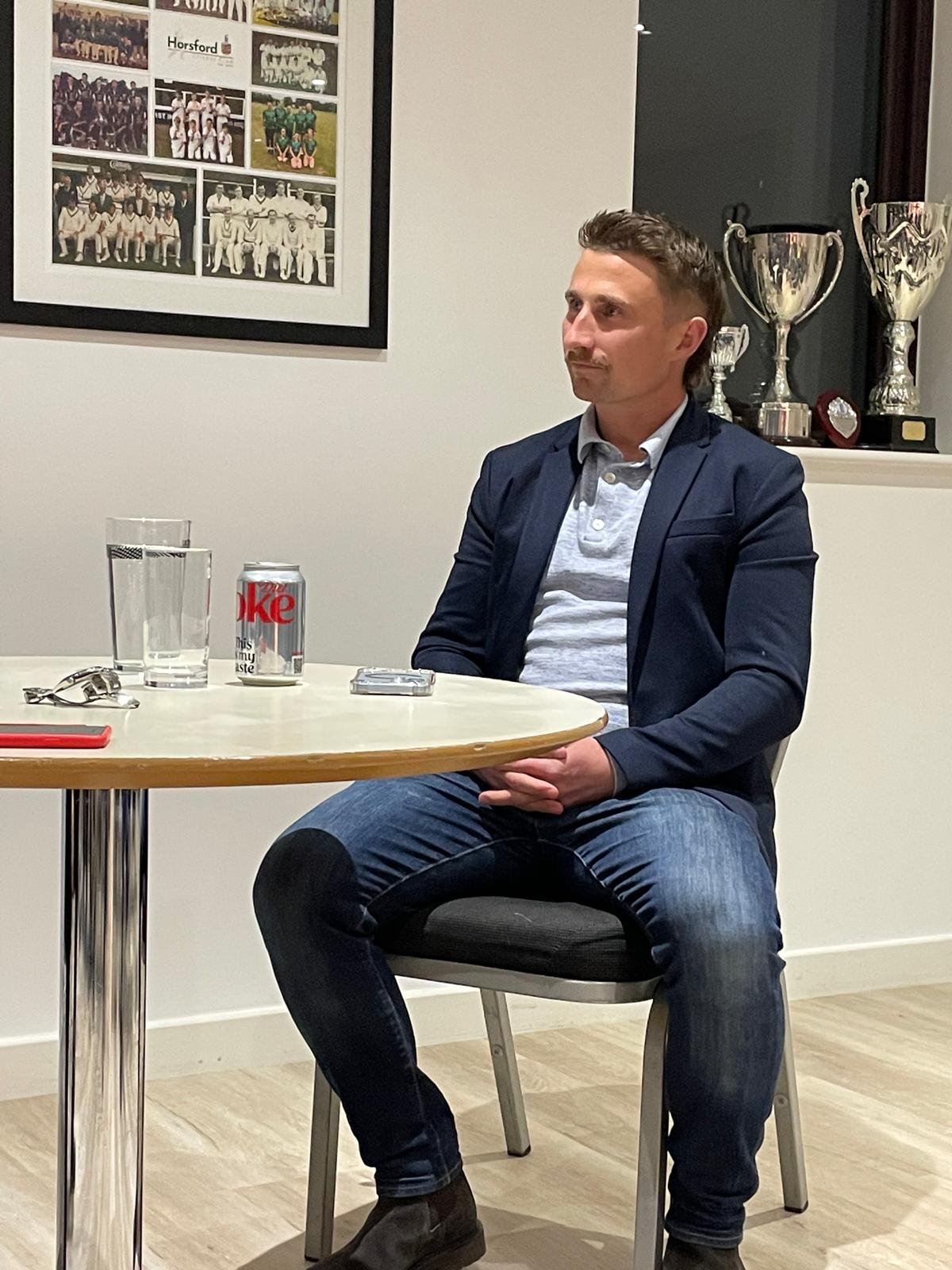
The 36-year-old Taylor was guest speaker of Norfolk Cricket Society at Manor Park on Thursday, March 26th, where he gave a moving account of the day in Cambridge in April 2016 when he thought he was going to die. He talked of his long road to recovery and his return to the sport in a variety of roles at international and county level, and as a writer and commentator.

What proved to be his final innings was a swift dismissal for 10, playing for Notts against Cambridge MCCU at Fenner’s. Then, during warm-ups before the second day’s play, his heart began pounding like a drum and he sought the sanctuary of the dressing room, in agony and in fear.

After a traumatic day and a two-hour journey to his home in Nottingham, Taylor was taken to the Queen’s Medical Centre and later City Hospital. At one point, his heart registered 265 beats per minute. What was initially thought to be a virus was a previously undiagnosed genetic heart disease, an arrhythmogenic right ventricular cardiomyopathy. His retirement from cricket was announced within days.

Taylor told an appreciative audience he grew up in Leicestershire in a horse-riding family. His father was a jockey, and his sister rode for Great Britain juniors. He went to boarding school aged seven and later, at Shrewsbury School, he excelled in football and rugby before cricket became his career.

He made his first-class debut in 2008, played his first one-day international in 2011, and his first Test against South Africa at Headingley in 2012, in what he regards as one of the greatest England sides. He made 34 in a partnership of 147 with an unappreciative and dismissive Kevin Pietersen, who scored a magnificent 149 but was axed for the final Test at Lord’s after the infamous text messaging saga.

Taylor’s one-day international career included England’s dismal 2015 World Cup campaign, where he was left stranded on 98 not out against Australia when last man James Anderson was controversially run out, and a century against the Aussies at Old Trafford later the same year.

He became an England selector in 2018 and later England head scout, stepping down from the role in 2022 and rejoining Leicestershire in a coaching role.

He answered audience questions on the current England regime, county cricket, The Hundred and the future of Test cricket in a white-ball dominated schedule.

Words by David Cuffley

Photos by Pete Golland

Jarrod Kimber opening the batting for Norfolk Cricket Society in 2025/26!

Norfolk Cricket Society is pleased to announce that Australian cricket journalist Jarrod Kimber will be joining us as our guest on Monday 22 September (7.30pm) at Horsford Cricket Club in Norwich.

Jarrod has written several books on cricket, he is a regular on talkSport, and also co‑directed and co‑wrote the award-winning 2015 documentary film Death of a Gentleman, an expose of the power-play governance of cricket by the ICC’s so‑called “Big Three”. In July 2024 Jarrod joined The Cricketer magazine as a regular columnist.

Beyond journalism and filmmaking, Jarrod has also worked as an analyst for the St Lucia Stars in the Caribbean Premier League and for the Scotland national team.

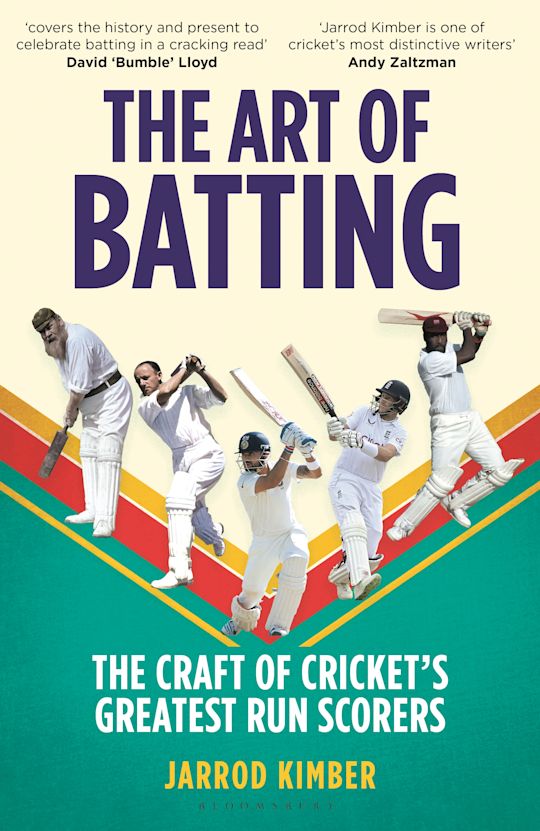
Released in July 2025, The Art of Batting: The Craft of Cricket’s Greatest Run Scorers is Jarrod’s latest book. Through interviews with cricketing greats such as David ‘Bumble’ Lloyd, Nasser Hussain, Rahul Dravid, and Brian Lara, The Art of Batting reveals the science, skill, and culture that made the 50 greatest batters of all time.

The book is about the batters who see what mortals don’t: Javed Miandad deliberately making errors to manipulate the field; Sachin Tendulkar digging up a pitch to take on Shane Warne; Shivnarine Chanderpaul relentlessly practising on a beach to master his technique; and Joe Root playing against spin as a result of three random events. Jarrod frames these players as artists who do more than bat—they “see into the future,” mastering the unpredictable with precision.

Andy Zaltzman labels Jarrod Kimber “one of cricket’s most distinctive writers,” and Harsha Bhogle praises the masterful use of analytics and vocabulary. Wright Thompson of ESPNcricinfo declares that Kimber “further cements himself as the world’s best cricket writer” with this work.

Entrance for guests is £7, payable on the door.

Copies of The Art of Batting (RRP £20) will be available to purchase with a special discount for Norfolk Cricket Society members and guests.