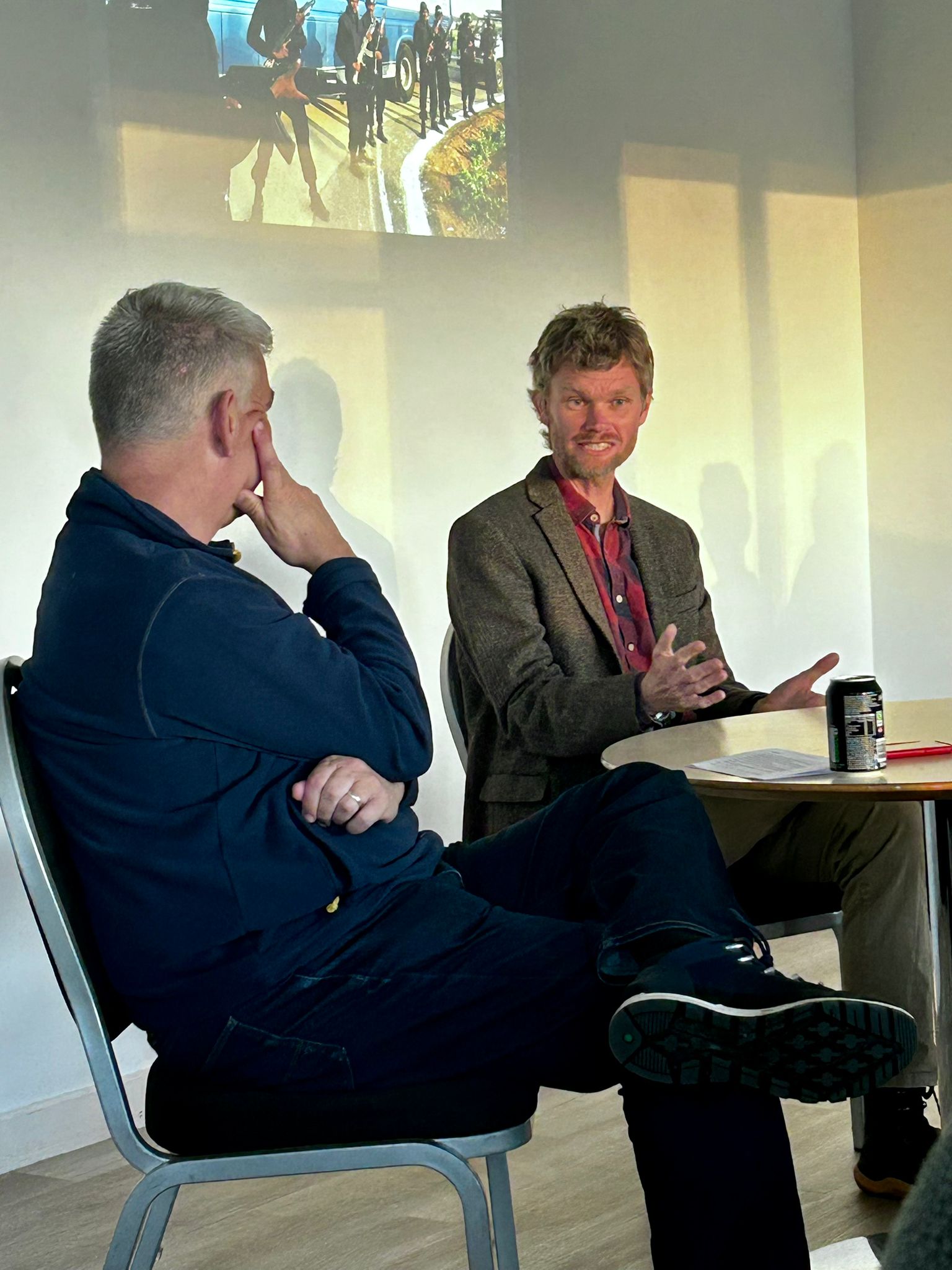
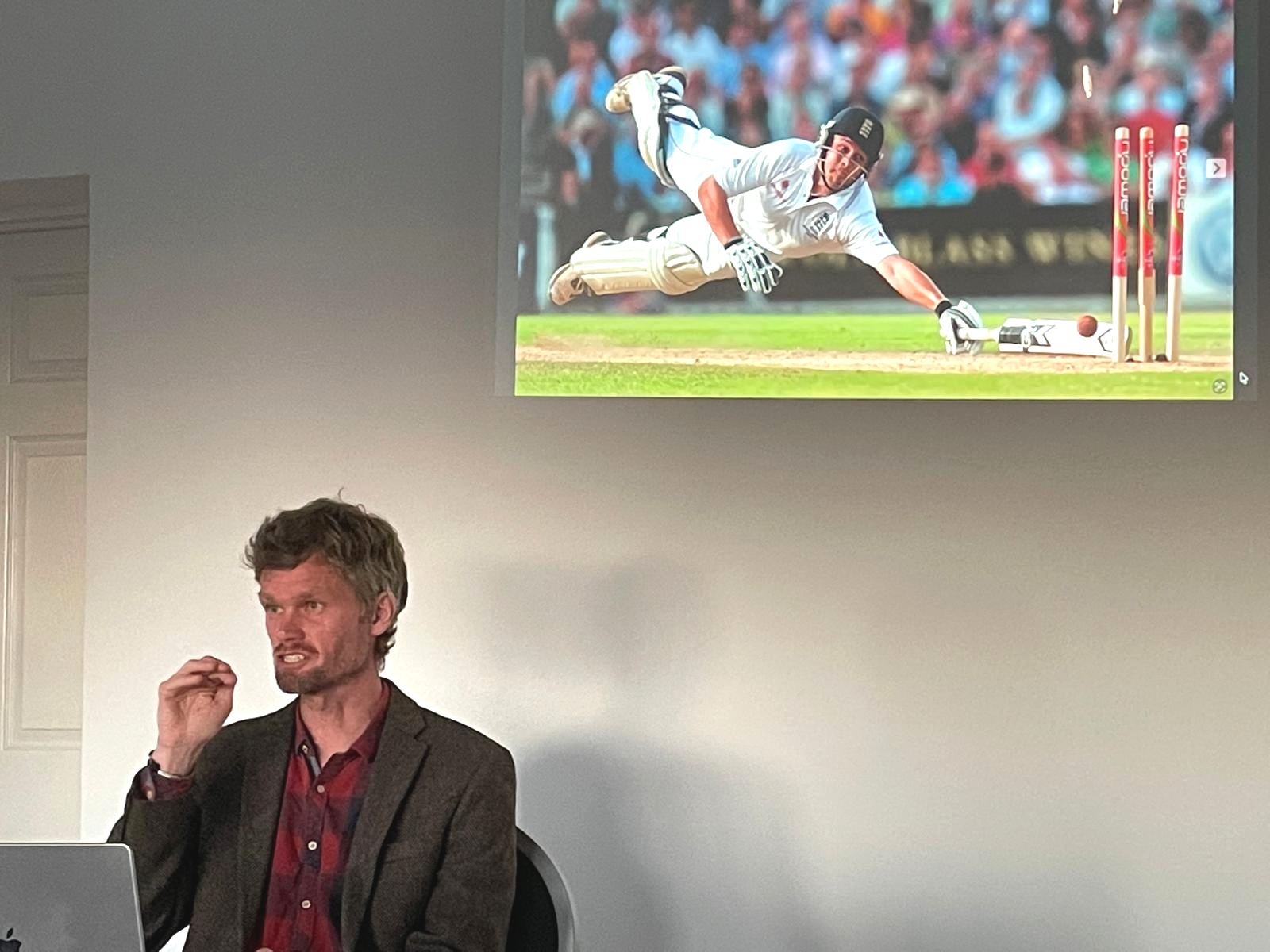
An Australian view of the Ashes was the theme of Norfolk Cricket Society’s first meeting of the 2026-27 programme at Manor Park, Horsford.
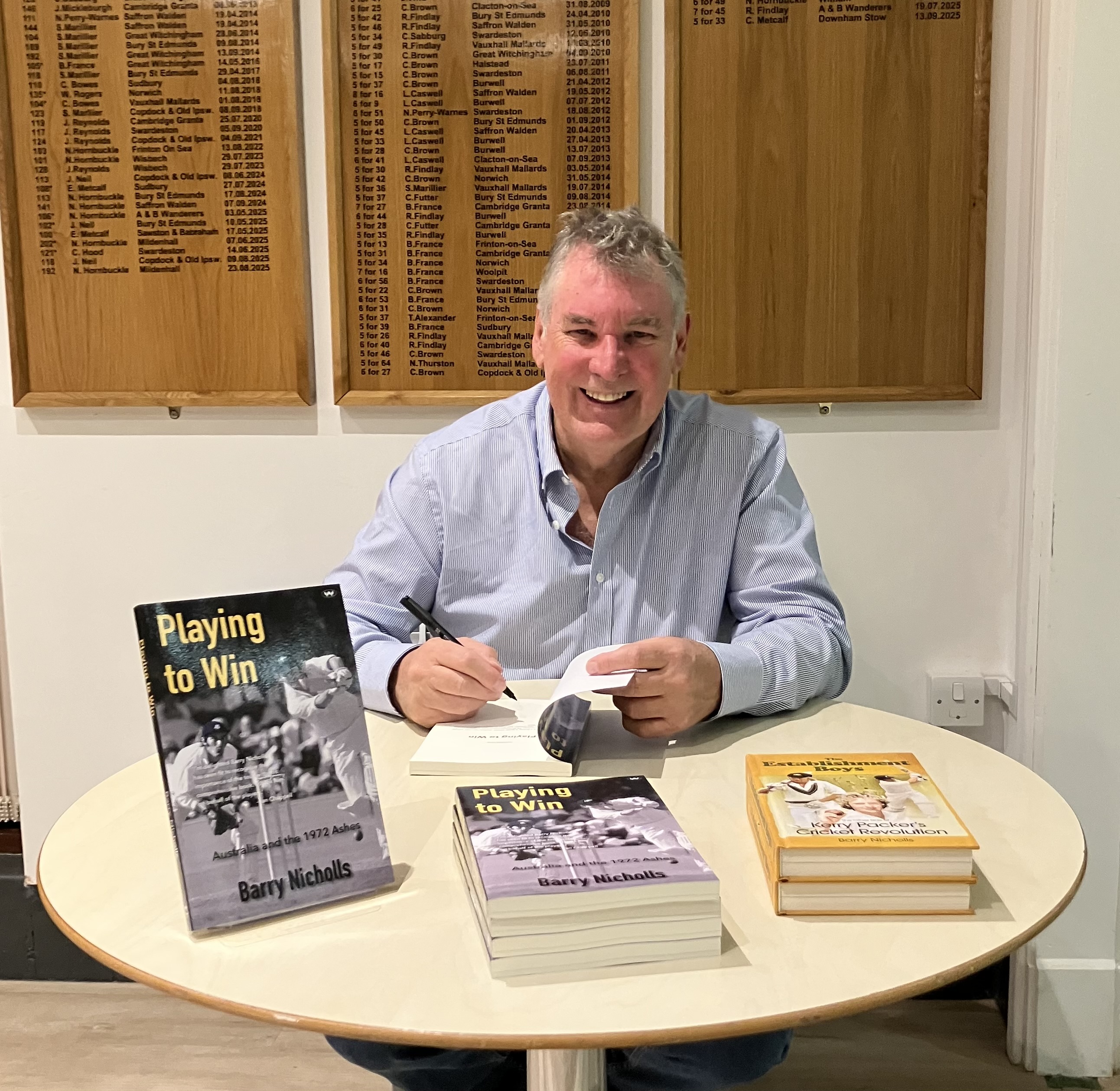
Cricket writer Barry Nicholls discussed his 10th book, Playing to Win (Wakefield Press), the story of the 1972 five-match Test series in England, which finished 2-2 after a see-saw summer.
A former A-grade district cricketer and ABC Radio broadcaster who lives in Perth, Western Australia, Nicholls is combining a speaking tour with visiting family in Scotland.
He told an appreciative audience he was hooked on cricket as a child after his father took him to the Adelaide Oval for the opening day of the Sixth Test in the 1970-71 Ashes series.
Nicholls was immediately captivated by the game, whereas his mother and two brothers were bored and complained to such an extent that the family left before the close of play.
The match was drawn but notable for Dennis Lillee’s five wickets on Test debut and Norfolk-born John Edrich making 130 in England’s first innings.
England, captained by Ray Illingworth, won the seventh Test at Sydney to complete a 2-0 series win and regain the Ashes after a gap of 12 years.
But that final Test was significant because it was Ian Chappell’s first as captain of Australia after Bill Lawry was ruthlessly axed.
Chappell immediately learned from defeat after studying how Illingworth led the side and handled his bowlers, but it was also a controversial match in which Illingworth led his team off the field after fast bowler John Snow was grabbed by an angry spectator and pelted with missiles.
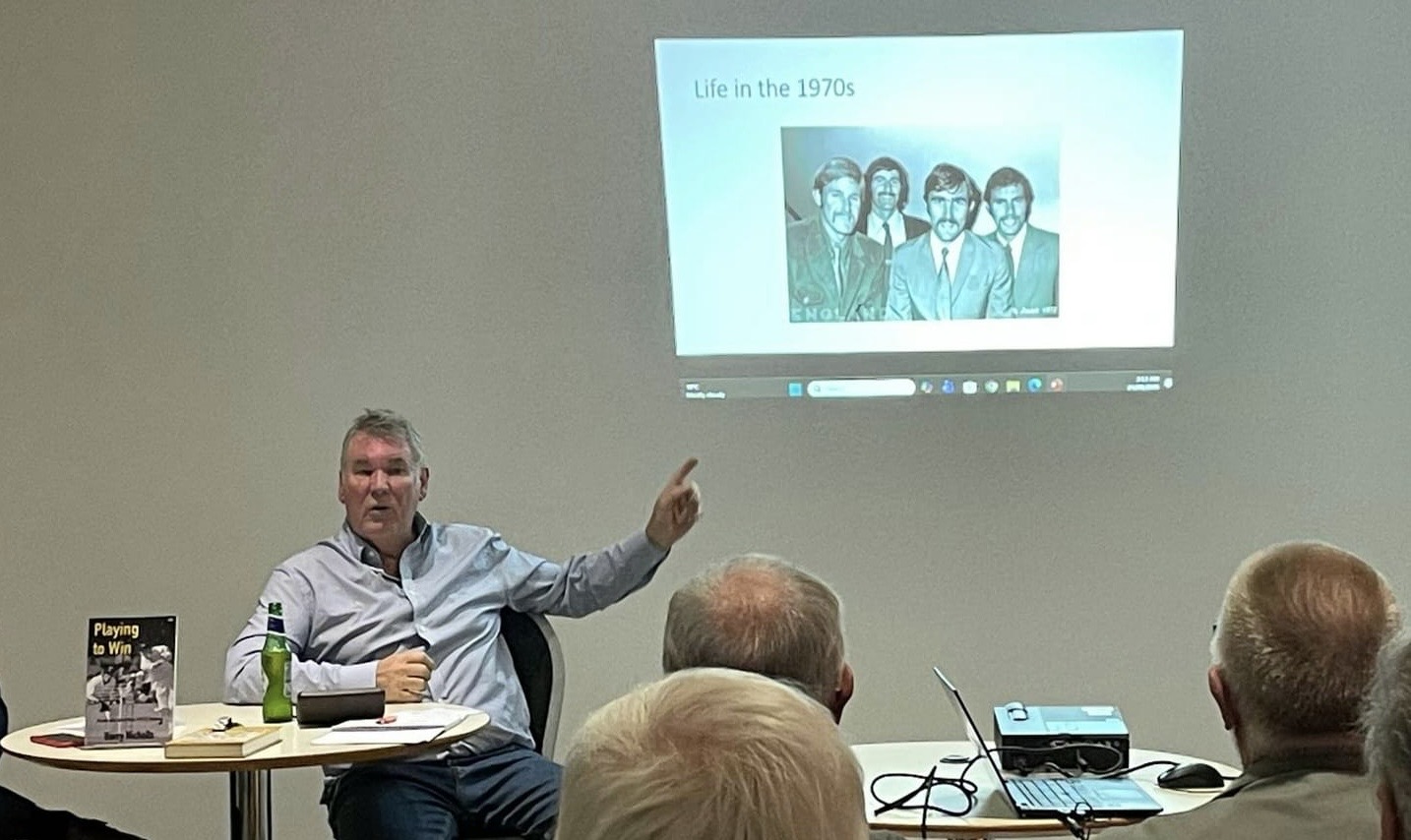
In the 1972 series that followed, England retained the Ashes with victories at Old Trafford and on a fungus-infested, grassless pitch at Headingley, where “Deadly” Derek Underwood took 10 wickets on his recall to the side.
Highlights for Australia were two victories in the capital. In the Second Test at Lord’s, they secured an eight-wicket win in which Western Australia opening bowler Bob Massie recorded the phenomenal match figures of 16 wickets for 137 on his debut, only to vanish from Test cricket within a year.
And in the final Test at The Oval, which was allocated a sixth day, the tourists won by five wickets after Ian Chappell and younger brother Greg each scored first innings centuries and shared a partnership of 201.
It was a first Ashes series in England for Lillee, Greg Chappell and wicketkeeper Rod Marsh, and the inspiration for Nicholls’ book comes from the belief, shared by the players, that the tour was a turning point in Australian cricket. They emerged as confident, aggressive and the top side in the world by the mid-70s under Ian Chappell’s captaincy, as well as helping to shape the modern game.
With the encouragement of batsman Ross Edwards and Ian Chappell, author Nicholls tracked down many of the squad that toured England.
Nicholls argues that victory at The Oval in 1972 was vital to Ian Chappell’s continuation as captain, for a 3-1 series defeat might have seen him removed from the job.
With the new breed of Australian Test stars increasingly at odds with the game’s administrators, illustrated by Chappell’s strained relationship with Sir Donald Bradman, his reign as captain ushered in a new order of things as he became a prime mover in establishing Kerry Packer’s World Series Cricket.
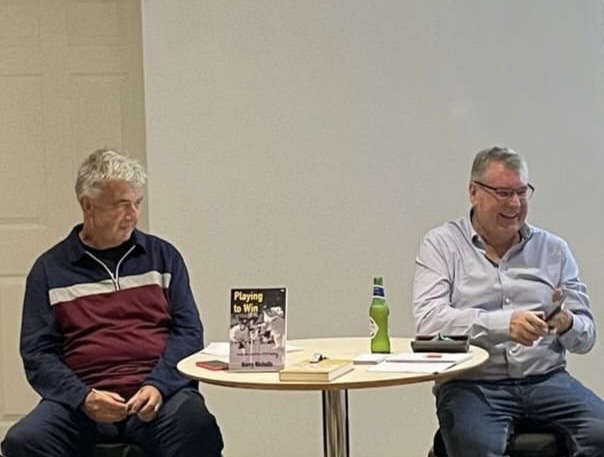
Looking ahead during a question-and-answer session, the author admitted he was pessimistic about Australia’s chances in the 2027 Ashes series because of the ageing side and the failure to transition to new players.
Words by David Cuffley
Photos by Pete Golland & Rob Kelly